How to Start Yoga at Home: A Beginner’s Guide
Starting yoga does not require touching your toes, owning a matching outfit or following a difficult sequence. A useful beginning is learning how to listen to instructions, move within a comfortable range and leave enough time to finish without rushing. This guide helps you organise that first experience, rather than asking you to imitate a photograph.
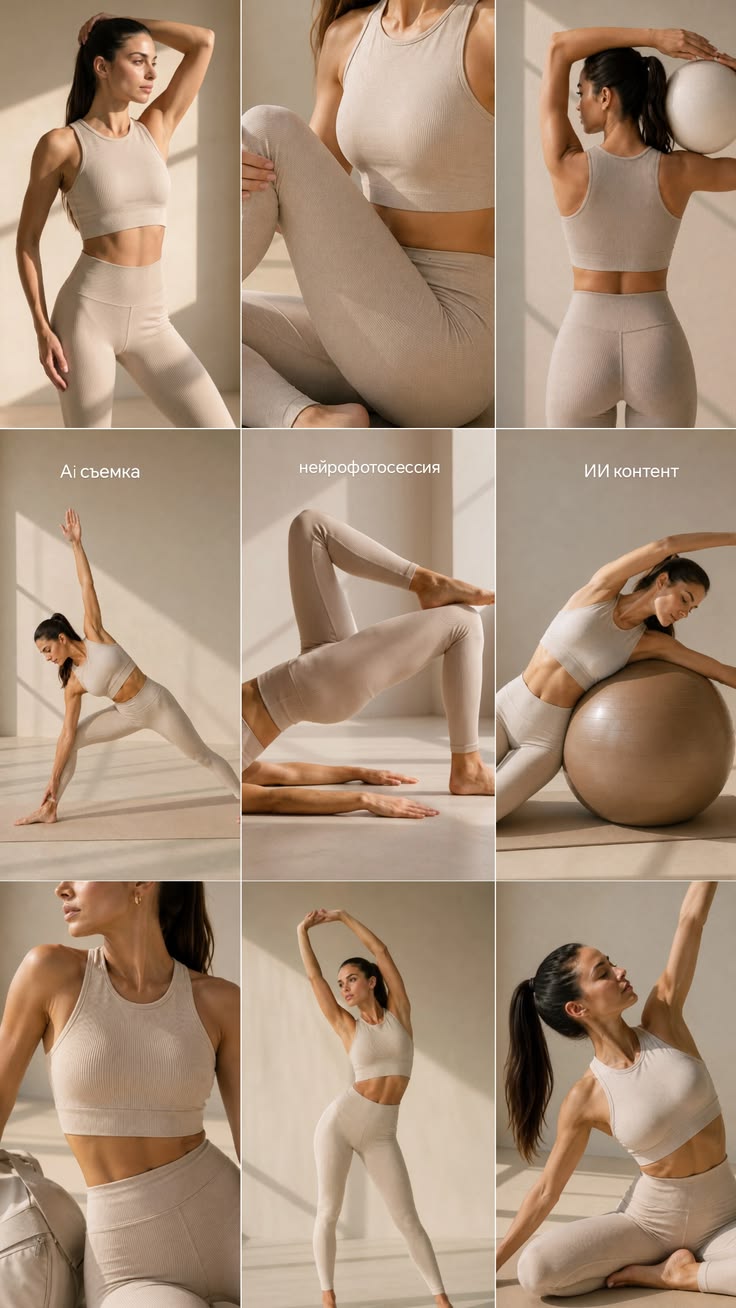
Supplied visual reference. Images may be illustrative or AI-generated and do not demonstrate verified technique.
Choose a class that actually welcomes beginners
Look for an introductory or foundations class with a clear description of its pace, equipment and expected experience. “All levels” can mean very different things. Before an online class, check whether the teacher explains alternatives and whether you can pause the recording. For an in-person class, ask how the teacher supports new students and whether you can observe or try a session. Yoga has roots in Indian philosophy; contemporary classes may include postures, breathing and meditation in different proportions. Choose a description you understand rather than relying on a fashionable class name.
Set up a space you can move through
Unroll a mat on a stable surface and check that it does not slide. Clear enough space around your arms and legs, move cables and place a screen where you can see it without twisting. Keep a folded blanket nearby if the class calls for padding. A chair used for support should be stable, without wheels and placed so it cannot slip. Keep children and pets clear of the practice area. Expensive equipment is optional; an uncluttered space and understandable guidance matter first.
Use the first session to learn the format
Read the teacher’s suitability notes before starting. Begin with a short introductory class that allows time for explanations, transitions and rest. Pause whenever a cue is unclear, and watch the demonstration before trying an unfamiliar movement. You can remain in a comfortable neutral position while the class continues. Notice how the teacher brings you into and out of a posture, because leaving a position deserves as much attention as entering it. A class is not a test you have to complete.
Let comfort guide the range
Move gradually and keep breathing normally. A small range is a valid choice; knees do not need to straighten and a hand does not need to reach the floor. Use a teacher’s suggested support rather than pulling yourself deeper. Stop if a movement causes pain, dizziness or makes you feel unwell. If you have an injury, a health condition, are pregnant or have concerns about suitability, seek individual guidance before choosing a practice. Photographs on this site are visual references and cannot assess your alignment.
Make the next session easier to start
Afterwards, note which instructions felt clear and which transitions need explanation. Keep the mat accessible, choose another realistic time and repeat an approachable class if it was a good fit. You do not have to progress to a harder version each time. Ask a qualified instructor about questions that a recording cannot answer. A useful early goal is understanding the practice and finding a manageable rhythm, rather than measuring success by appearance, flexibility or a promised result.
Your quick checklist
- Choose an introductory class with clear alternatives.
- Clear the floor and check the mat’s grip.
- Pause unfamiliar movements and ask for help when needed.
Common questions
Do I need to be flexible before starting?
No. Choose an appropriate beginner class and work within your current comfortable range; flexibility is not an entry requirement.
Is home practice as personal as a studio lesson?
A recording cannot see your movements or adjust its advice. An instructor who can respond to you may be useful when you are uncertain about a pose.
How long should my first session be?
Choose a manageable class with time to listen and rest. Duration alone does not determine suitability; pace, complexity and your circumstances also matter.
View the complete supplied reference image
Original artwork supplied for this website. Captions and promotional claims inside the image are not clinical recommendations or a personalised programme.