Yoga Mats, Props & Clothing: What You Actually Need
A first yoga setup can be small. Choose equipment around the class, the surface and your comfort, rather than around a shopping list from a photograph. If you are going to a studio, ask what it supplies before buying anything. A mat, practical clothing and clearly explained instruction are a useful place to begin.
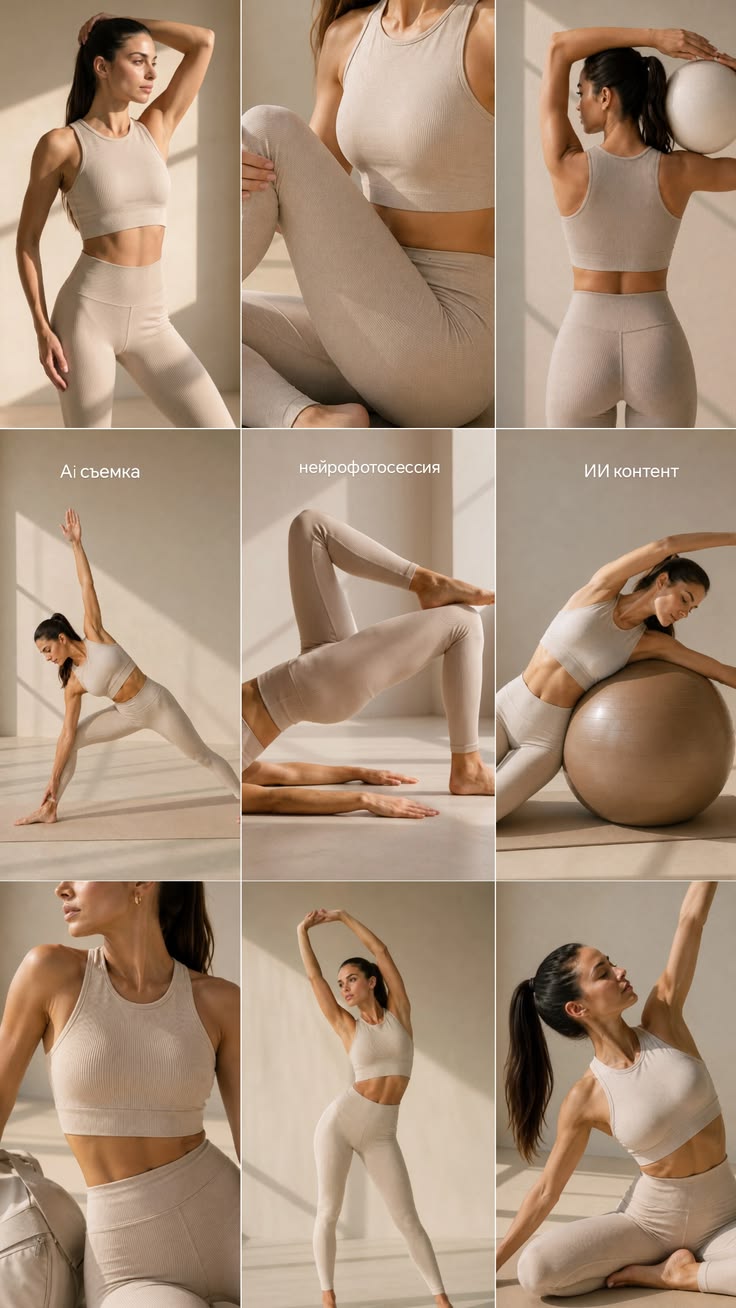
Supplied visual reference. Images may be illustrative or AI-generated and do not demonstrate verified technique.
Check the mat on the actual floor
A mat should lie flat and remain stable on the surface where you use it. Check its dimensions against the room and your movement, rather than choosing by colour alone. Thickness affects how the floor feels, but extra softness is not automatically better for every standing position. Try an available studio mat if possible and ask about cleaning and storage. Follow the manufacturer’s care instructions, let the mat dry and replace equipment that becomes damaged or unreliable.
Understand what supports are for
Blocks, straps, blankets and bolsters can change the distance to a surface or provide support in a class. They are tools, not a sign that you have failed a pose. Use them as instructed and check that a support is stable before placing weight on it. Household substitutes are not always equivalent: a sliding stack of books or a stretchy belt can behave differently from the intended prop. Ask the teacher what is required and how to use it before improvising.
Choose clothing by movement and comfort
Try sitting, reaching and making a few comfortable movements in the clothes you plan to wear. Check whether the waistband rolls, seams press or a loose neckline distracts you. Fabric and support needs depend on the class and your preferences; a matching set is optional. Photographs cannot verify a garment’s support, grip, opacity or fabric performance. Remove jewellery or accessories that catch on equipment, and follow the venue’s guidance about footwear and the practice surface.
Pack for the class and the trip home
Bring only what the venue requests: perhaps a mat, a towel and a bottle that closes securely. A light layer may be useful before and after class. Keep damp clothing separate from clean items if you change afterwards. Arrive with enough time to find the room and tell the instructor that you are new. Ask how to leave or rest during class without disrupting other people. A clear conversation can make the experience easier than adding another accessory to the bag.
Keep the setup simple over time
After a few sessions, notice what you actually use and what stays untouched. Address one practical issue at a time, such as a mat that moves or a support you cannot place comfortably. Store everything so the next setup is straightforward and the floor stays clear. This site has not tested the products pictured in the supplied images and does not certify their materials or performance. Use product instructions, studio guidance and your own experience when choosing equipment.
Your quick checklist
- Ask what the studio already provides.
- Check mat stability and prop condition.
- Test clothing in ordinary comfortable movement.
Common questions
Should I buy every type of yoga prop?
No. Start with what your chosen class requires and add equipment only when you understand its purpose.
Is expensive activewear necessary?
No. Comfortable clothing that suits the activity is more useful than a particular label or matching colour.
Can I use a chair as support?
Only where suitable instruction calls for it. Use a stable chair without wheels and make sure it cannot slide.
View the complete supplied reference image
Original artwork supplied for this website. Captions and promotional claims inside the image are not clinical recommendations or a personalised programme.