A Short Morning Yoga Practice You Can Plan
Morning practice works best when it fits the morning you actually have. Instead of squeezing a long class into a few minutes, give a short session a clear beginning, middle and end. The framework below is a planning example for movements you have already learned, not a new sequence to attempt from photographs.
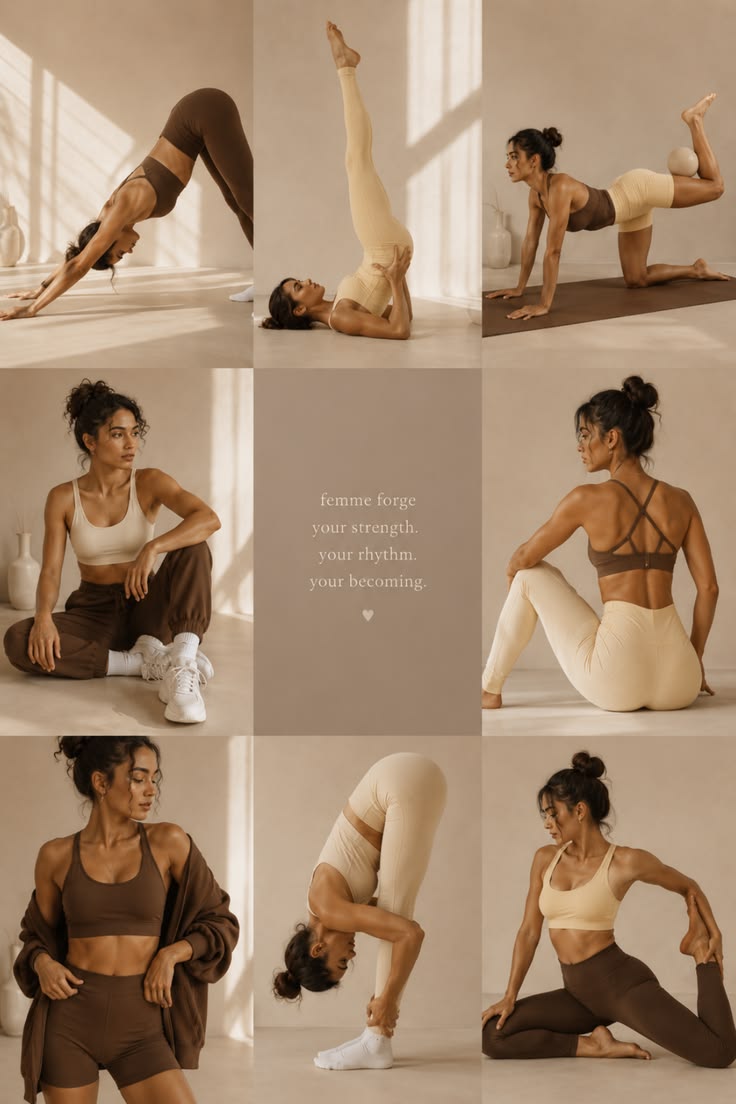
Supplied visual reference. Images may be illustrative or AI-generated and do not demonstrate verified technique.
Prepare the night before
Decide where you will practise and leave the floor clear. Choose comfortable clothing and a mat that stays steady on the surface. If you use a recorded class, select it ahead of time and check its equipment and level. Put the screen where you can hear and see it easily. This removes small decisions when your time is limited. If your schedule is unpredictable, choose a point in the morning you can recognise, such as after opening the curtains, rather than an exact minute that rarely works.
Give yourself time to arrive
In a roughly ten-minute window, you might reserve the first two minutes for settling into a comfortable seated or standing position and noticing your ordinary breathing. This is an organisational example, not a required breathing technique. Avoid holding or forcing the breath to match an unfamiliar count. Check how you feel before choosing the next step. If you are rushed, unwell or uncomfortable, a shorter pause or a different time can be more useful than forcing a full session.
Keep the middle familiar
Use the middle portion for a few movements already taught in a suitable beginner class. Allow time to change position without rushing. You could repeat a small section of a familiar recording instead of inventing a demanding flow. The aim is to understand the cues and maintain a comfortable range, not to fit in the largest number of postures. If a movement is unfamiliar, watch first and seek instruction. The poses in our photographs are examples of the subject, not a checklist for this session.
Finish before you need to hurry
Leave the last couple of minutes for a comfortable rest and an unhurried return to ordinary activity. Get up gradually in a way that feels steady, then put the mat away without blocking the room. A short session does not need a dramatic final posture to count. If you regularly run out of time for the ending, shorten the middle next time. A timer can help with planning, but it should not pressure you to remain in an uncomfortable position.
Adjust the framework to your day
Treat the ten-minute outline as a flexible container. Some days you may prefer a teacher-led class, and other days a quiet seated pause. Keep a note of practical obstacles, such as an awkward screen angle or a noisy room, and change one thing. Choose duration and frequency around your circumstances and qualified advice where needed. This page does not promise a particular flexibility, fitness or health result; it offers a way to organise a practice you can understand and use.
Your quick checklist
- Select a familiar class or movements in advance.
- Reserve time for both arrival and finishing.
- Shorten the plan when the morning changes.
Common questions
Do I need to practise before breakfast?
Choose a comfortable time and follow any individual advice you have received. This planning guide does not prescribe meal timing.
Is ten minutes a complete exercise programme?
This is a short practice framework, not a full fitness prescription or a substitute for your other activity needs.
Can I repeat the same beginner recording?
Yes, if it remains suitable and clear. Familiarity can make it easier to follow transitions and identify questions for a teacher.
View the complete supplied reference image
Original artwork supplied for this website. Captions and promotional claims inside the image are not clinical recommendations or a personalised programme.