How to Create an Unhurried Evening Yoga Routine
An evening routine can be a practical transition between a busy day and your next activity. It does not have to include deep stretches, elaborate equipment or a perfect room. Start with the environment and a familiar, appropriate class. Keep the aim modest: a practice you can follow without turning it into another task to complete.
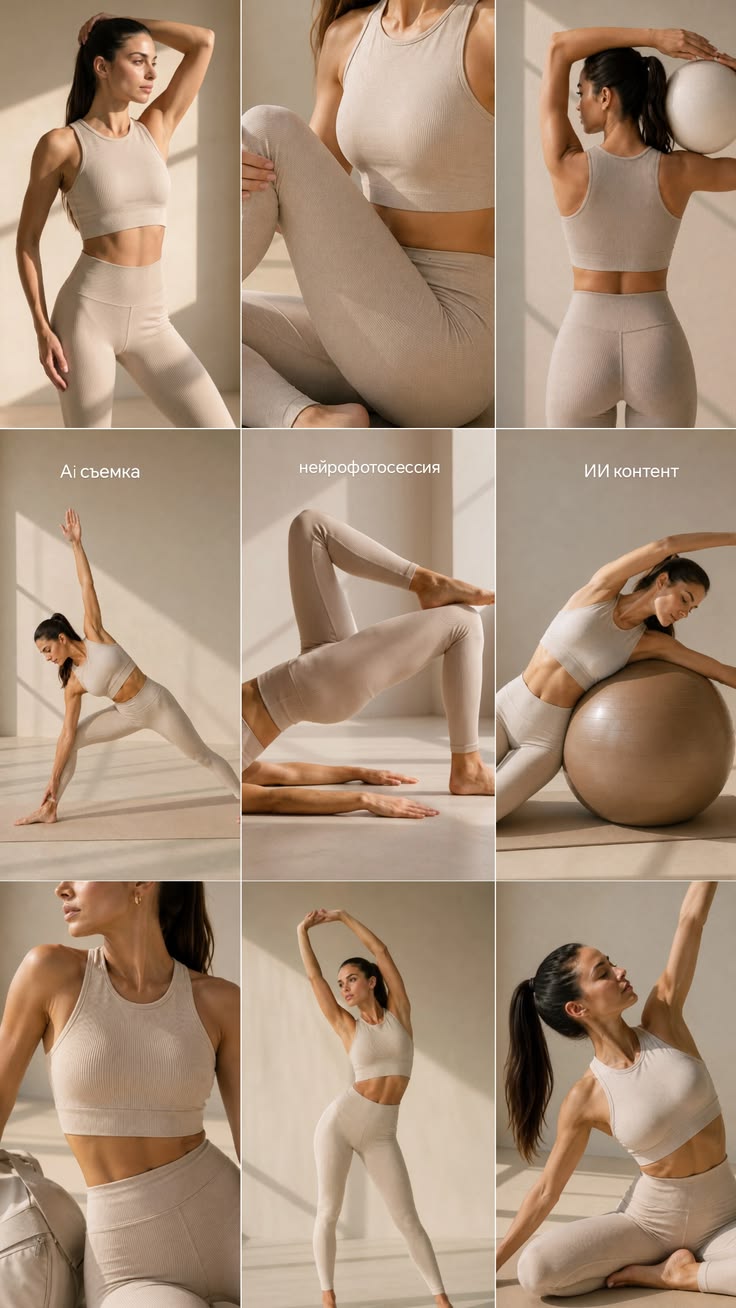
Supplied visual reference. Images may be illustrative or AI-generated and do not demonstrate verified technique.
Choose the pace before the pose
Read class descriptions carefully. An evening label does not automatically mean slow, easy or suitable for beginners. Look for clear instructions, opportunities to pause and alternatives to floor positions. A long-held pose can still feel demanding, and a quiet soundtrack does not establish an instructor’s competence. Preview an unfamiliar recording before making it part of your routine. If you attend a studio, ask what the class involves and how the teacher adapts the practice for different experience levels.
Make the room usable
Keep lighting bright enough to see the floor and your surroundings. Move clutter, keep a stable surface under the mat and reduce interruptions where possible. Place a blanket or suitable support within reach before starting. Comfort does not require incense, candles or decorative accessories; open flames are particularly unhelpful around moving fabric and mats. Let the setup take only a few minutes so that preparing the room does not become the main event.
Use options instead of forcing a stretch
Select positions you already understand and can leave easily. A supported seat, a small familiar movement or an alternative offered by your instructor can be enough. Do not use the evening as a reason to push deeper when tired. If a floor position presses on the knees or wrists, ask for an adjustment or choose another position. A resting posture should feel restful to you. There is no universal rule that child’s pose or legs up the wall must be comfortable for every body.
Keep breathing ordinary and comfortable
You do not need a complex breathing exercise to make the session feel intentional. Follow normal, comfortable breathing while you learn a suitable practice. Avoid breath holds or forceful techniques you have not been taught. If you feel dizzy, short of breath or unwell, stop rather than trying to maintain the rhythm of a recording. Questions about symptoms or health conditions belong with a qualified professional who can consider your situation, not with a general routine page.
Close the session without a performance target
Leave a little time for a comfortable rest, then return to sitting or standing gradually. Put equipment away and note anything you would change next time. Some evenings a suitable short session will fit; others may call for rest or another activity. This routine is not a treatment for insomnia, anxiety or pain. If sleep or other symptoms are persistently difficult, seek appropriate professional advice. You can enjoy a quiet ritual without expecting it to produce a guaranteed outcome.
Your quick checklist
- Check the class level and pace.
- Keep the room clear and lighting practical.
- Choose comfort over the depth of a pose.
Common questions
Will evening yoga guarantee better sleep?
No. This page describes a planning routine and makes no sleep-treatment promise.
Do I need to hold stretches for a long time?
No fixed hold is prescribed here. Follow suitable instruction and leave any position that feels uncomfortable.
Can I practise in a chair?
An appropriately designed chair-based class can be an option. Use a stable chair without wheels and follow the class’s suitability guidance.
View the complete supplied reference image
Original artwork supplied for this website. Captions and promotional claims inside the image are not clinical recommendations or a personalised programme.