Chair Yoga Before You Book: Clarify the Chair, Floor Work and Standing Options
Chair yoga is a useful description of equipment, but it is not a complete class plan. One session may remain seated, another may use a chair for some standing work, and another may include an optional transfer to the floor. Ask about the actual format before assuming that the title answers your access needs. This guide provides a practical conversation checklist for the organizer and instructor. It does not prescribe chair exercises or assess which movements are suitable for an individual.
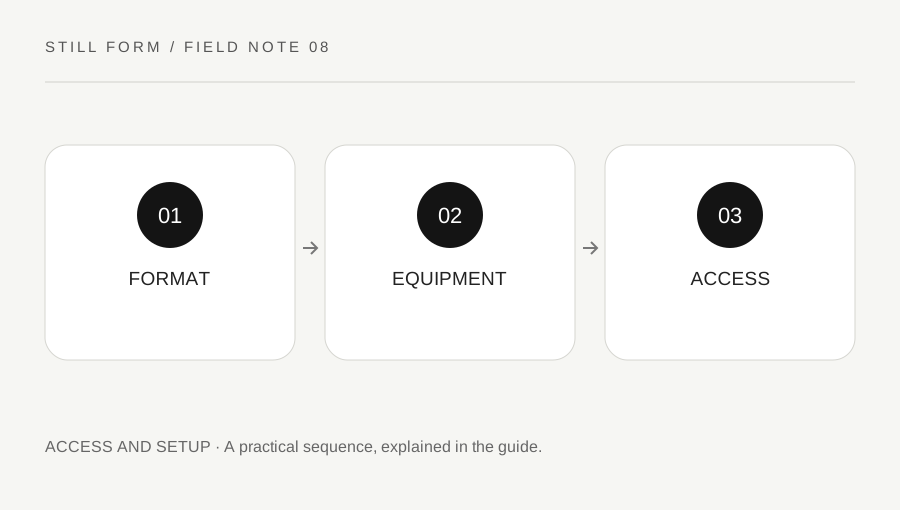
Original explanatory diagram. Examples illustrate a method or decision; they are not claims of personal testing.
Ask whether the class stays seated
The first question is direct: Is the entire session seated, or are standing and floor sections included? Follow with whether each section is optional and how alternatives are taught. A chair present in the room does not establish that all activities can be followed from it. Ask for an explanation that describes the actual lesson rather than a reassurance that everyone manages.
If a particular movement or transfer is unsuitable for you, discuss that privately before booking. Relevant medical needs belong with an appropriate healthcare professional as well as a practical conversation about the class. The instructor can describe the session; the timetable title cannot provide an individualized assessment.
Clarify the actual chair and space
Ask whether chairs are supplied, which features are required and how the instructor checks the arrangement. NHS seated-exercise guidance uses a solid, stable chair without wheels for its illustrated exercises, but that does not mean every chair meeting those words fits every yoga use. The specific activity and person still matter.
If you use a mobility aid or need a particular seating arrangement, ask about that actual requirement rather than substituting a generic household chair. Online participants should clarify equipment expectations before the session. Do not stand on a chair, modify furniture or improvise a support because a class description mentions a chair. Equipment is part of the method, not merely a background object.
Worked example: compare two advertised sessions
Imagine two listings both say chair yoga. Session A confirms seated instruction throughout, with demonstrated seated options. Session B explains that the chair is used during some standing sections and that the floor closing is optional. Write those answers in separate rows for positions, transitions and options. Neither description should be silently converted into the other.
If your requirement is no floor transfer, ask B whether the whole closing is taught from the seat and how instructions are delivered. If your requirement is seated participation throughout, ask the same question about the standing sections. An optional label becomes useful only when the practical alternative is understandable and available.
Check arrival and communication arrangements
The lesson itself is only part of access. Ask about the entrance, room location, usable space around seating, toilet access where relevant and how early equipment questions can be discussed. A room photograph may not show steps, door widths or the route from the entrance. State the specific information you need so the organizer can answer accurately.
Ask how to request clarification during a quiet section and whether the teacher can see you in an online class. If you need captions, an interpreter or another communication arrangement, confirm what is actually offered. Do not infer that an accessible-looking chair in a promotional image establishes the accessibility of the whole service.
Keep the confirmed format with your booking
Save the date, class name and relevant answers. A substitute teacher, new room or different workshop may change the arrangement. Confirm essential details again when a change is announced rather than assuming that an old email covers every future session. Bring questions to the instructor before participating in an unclear activity.
Afterward, record useful factual observations: the seated alternative was explained; the room entrance differed from the description; the chair specification needs clarification. This creates a better basis for your next decision than rating the class by the word gentle. A suitable format is one whose real requirements and options can be understood, discussed and matched to appropriate individual guidance.
A practical checklist
Choices are saved in this browser. Reset them here or clear this site’s browser storage.
Questions that come up
Does chair yoga always mean no standing?
No. Ask about the particular session. Some descriptions use a chair for selected parts rather than for the whole class.
Can I use any chair for an online session?
Do not assume so. Clarify the intended activity and equipment with the instructor, including your actual seating or access requirements.
Is an optional floor section enough information?
Ask what the alternative involves and whether it is taught clearly. Optional is useful only when you understand the available choice.
References & scope
Background references checked on 18 October 2026. Worked examples and diagrams are original teaching material.